
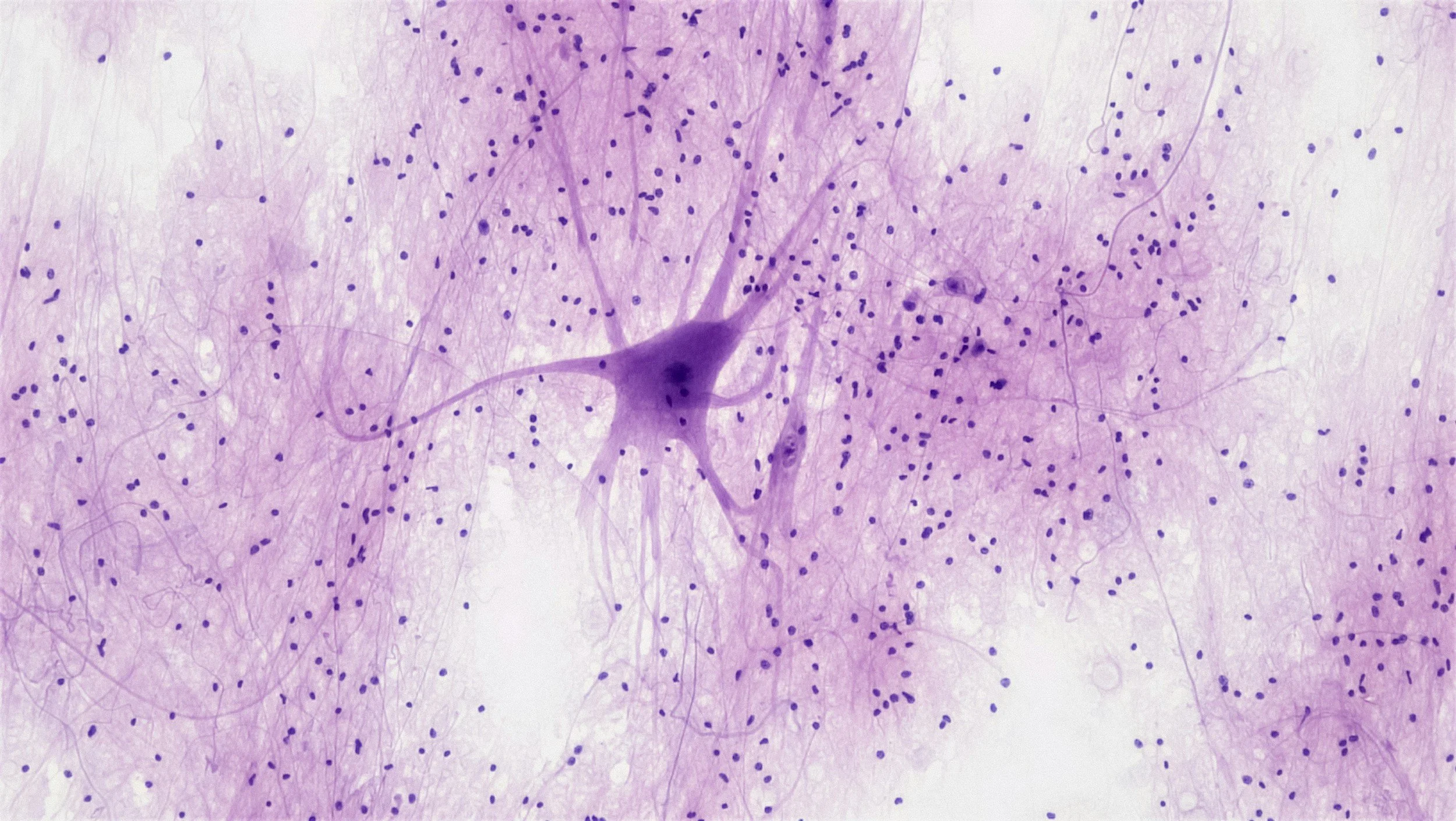
We have previously written about reflex sympathetic dystrophy (RSD), now known as complex regional pain syndrome type I, a condition that can cause severe, persistent pain, swelling, and extreme sensitivity after an injury. Our article, Hiding in Plain Sight: Reflex Sympathetic Dystrophy/Complex Regional Pain Syndrome, explains its possible connection to injuries sustained in car wrecks and other accidents.
Guillain-Barré syndrome (GBS) is a different condition. The practical concern, however, is similar: after a serious or catastrophic wreck, attention understandably centers on the primary injuries and rehabilitation. Signs of either condition may be overlooked or attributed to the original injuries or recovery process. Persistent, disproportionate pain or new, progressive weakness should prompt medical evaluation beyond the initial diagnosis.
Model Sahara Ray had publicly reported developing GBS after being struck by a car in 2024 that left her partially paralyzed. Her family announced her death in October 2026, but her cause of death has not yet been disclosed. Her account nonetheless highlights the need to recognize new neurological symptoms after trauma. Medical literature suggests a possible connection between trauma and GBS, though a diagnosis after an accident does not, by itself, prove causation.
What Guillain-Barré Syndrome Is
GBS is a rare condition in which the immune system attacks peripheral nerves. It can cause tingling, rapidly progressing weakness, and paralysis. Severe cases affect breathing, swallowing, heart rate, or blood pressure. GBS commonly follows a respiratory or gastrointestinal infection, although surgery and physical trauma have also been reported in association with GBS.
What the Medical Literature Shows
Published medical reports describe relevant examples:
A 2017 report described a previously healthy 36-year-old man with abrupt leg paralysis immediately after a traffic accident. Nerve testing and spinal-fluid analysis supported a GBS diagnosis, and he improved with intravenous immunoglobulin treatment.
A 2021 report published in the medical journal BMJ Case Reports described a 46-year-old man who fractured his pelvis, spine, and arm in a paragliding accident and underwent arm surgery. Tingling began ten days after the trauma and surgery, followed by progressive weakness and a GBS diagnosis.
A September 2026 report described a 47-year-old man diagnosed with a GBS variant involving facial weakness after a car crash and head injury. The authors expressly acknowledged that an undetected infection and overlapping traumatic nerve damage complicated attribution.
A 2020 systematic review analyzed 136 reported cases associated with trauma-related events, including injuries and surgery. The median interval to symptoms was nine days. That figure describes selected published cases, but it does not measure how often accident victims develop GBS.
Separately, a French study of 8,364 GBS patients found an association with recent surgery, particularly bone and digestive-organ procedures. Of course, those findings do not establish the risk from a car wreck itself.
What the Studies Cannot Prove
Researchers propose that tissue injury and inflammation may disrupt immune regulation and contribute to an attack on nerves. The precise mechanism remains uncertain. Case reports identify a possible relationship, but cannot reliably separate trauma from coincidence, infection, or other triggers.
When to Seek Medical Care
For someone recovering from an accident, new or worsening tingling, weakness, loss of reflexes, facial weakness, or difficulty walking warrants urgent medical evaluation. Trouble breathing or swallowing requires emergency care. Symptoms should not automatically be attributed to soreness, a spinal injury, or inactivity. Neurological examination, nerve-conduction testing, electromyography, and spinal-fluid analysis can help identify GBS. Treatment may include intravenous immunoglobulin or plasma exchange. Recording when each symptom first appeared can also help clinicians distinguish GBS from the original traumatic injuries.
What an Injury Claim Requires
For an injury claim, the diagnosis and its cause are separate questions. Evaluating a possible connection calls for a detailed symptom timeline, records of the original injuries and treatment, consideration of alternative triggers, and a qualified medical expert’s analysis. Preserve those records along with documentation of rehabilitation, lost work, and continuing limitations. GBS diagnosed after a wreck deserves investigation, but a claim linking it to the accident will rest on the individual medical evidence.
GBS diagnosed after a wreck deserves prompt investigation, but timing alone is not enough. If you or a loved one received a serious neurological diagnosis after a wreck, Fried Bonder White can help evaluate the medical timeline, preserve evidence, and determine whether the facts support a claim.
This article is for general informational purposes only and is not legal or medical advice. Every matter depends on its specific facts and applicable law.